
2 min read

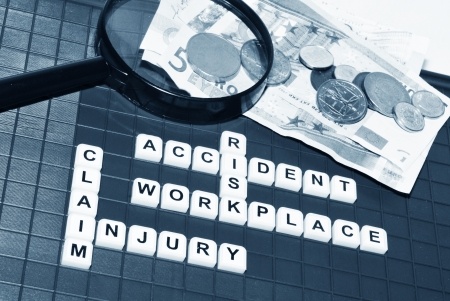
Workers Compensation Claims Errors Can Be Costly For Your Business

By Gibson on May 19, 2014 4:48:00 AM

Today’s business climate requires that companies keep an especially close eye on expenses. One area where this monitoring sometimes escapes the attention of accountants, bookkeepers, and others who are responsible for corporate financials is workers’ compensation.

Workers’ compensation claims are ultimately a liability for an employer, whether the actual money paid to the injured worker is done through the state, through a private insurance company, or through the self-insured employer itself. But the direct costs of claims are not the only potential expense that employers can incur when it comes to workers’ compensation. Two very costly mistakes that often escape oversight but that can ultimately have a devastating effect on an employer's financial position include:

  • Overestimating the amount of reserves needed to pay particular claims
  • Failing to bring injured workers back to transitional duty
Topics: Construction Claims Workers' Compensation
2 min read

Ladder Safety Tips

By Gibson on Apr 9, 2014 2:00:00 AM

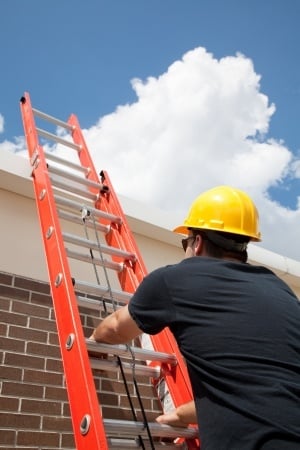
All tools have safety considerations, and a ladder is no different. However, when you regularly use a ladder, you may begin to take ladder safety for granted. Falls are a leading cause of injuries and fatalities in the workplace and proper ladder safety is essential. This guide will take you through picking the right ladder, the proper technique for placing and climbing the ladder, and how to conduct maintenance checks to ensure ladders remain safe to use.

Topics: Risk Management Construction Workers' Compensation
2 min read

Best Safety Practices for Forklifts

By Gibson on Apr 7, 2014 4:34:00 AM

Topics: Risk Management Construction
2 min read

Surety Bond Scams: How To Be Sure You Don't Fall Victim

By Gibson on Dec 30, 2013 10:46:00 AM

Earlier this year the Memphis-Shelby County Airport Authority was forced to postpone the planned demolition of the Regency Hotel, located on airport grounds. In September, the authority announced that it would rebid the demolition project due to an increasingly common issue faced by contractors and local authorities – bad surety bonds.

The lowest bidder, Nelson Inc, was awarded the $485,000 contract to demolish the hotel, but the bid went out the window after it was found that the surety bond, bearing the name of Chubb Insurance, was bad.

Topics: Commercial Insurance Construction
1 min read

Three Benefits of a Return-to-Work Program

By Gibson on Dec 11, 2013 3:28:00 AM

A return-to-work program has many benefits, and the pros far outweigh the cons! The proper understanding and communication of the rationale for a return-to-work program will help make the naysayers change their minds. Consider these three benefits:

Topics: Commercial Insurance Construction Workers' Compensation
4 min read

Tips for Combating Construction Fraud

By Gibson on Sep 25, 2013 7:33:00 AM

Topics: Commercial Insurance Risk Management Construction
2 min read

Construction Risk Management: The Difference Between Life And Death?

By Gibson on Apr 24, 2013 5:00:00 AM

You can’t eliminate risk. It exists in every line of work. Whether you’re a banker or a construction worker, there are inherent risks that you must identify and manage. Most businesses will be concerned with financial risk. In construction however, risk management is even more vital as it is about keeping people safe. It’s not inconceivable that someone could die on the job. It is, therefore, important that you can plan for every eventuality.

Non-fatal

It isn’t just the potentially fatal injuries you need to be on the look-out for when making your construction risk management plan. Non-fatal injuries to the hands, arms, or legs can have a debilitating effect on a person for the rest of their life. Almost a quarter of construction site injuries are to the hands and fingers due to digits being cut off and hands being crushed or burned. Basic things like gloves and safety guards for machinery can help to avoid these kinds of accidents.

Topics: Risk Management Construction
2 min read

Tips for Creating the Ideal Return to Work Plan

By Gibson on Apr 17, 2013 5:00:00 AM

Workplace injuries are a fact of life in some industries. If you work with heavy machinery or spend your day on your feet, you are unlikely to go your entire career without injuring something. Even sitting at a desk typing all day has it’s hazards. Most business owners are very aware of the risks associated with their day-to-day business.

Something that often gets missed is the return to work plan. When people do get injured, inside or outside of work, they will eventually return. As much as you plan to avoid these injuries it’s also important to create a plan to reintegrate injured employees into your workforce.

Develop a Plan

Topics: Commercial Insurance Risk Management Construction Workers' Compensation
2 min read

Risk Assessing Large Infrastructure Construction Projects

By Gibson on Apr 10, 2013 5:00:00 AM

The larger the project, the greater the risk – that much is a given. The importance of risk management, however, remains the same no matter how great or small the project. Although each comes with its own unique risks, large-scale infrastructure construction projects are particularly distinctive.

Public Influence

A large infrastructure project is likely to take place in close proximity to the general public and this poses many risks. In some cases, such as road resurfacing or constructing new sections of highway, construction must be staggered to allow for continued public use of the area.

As well as working in close proximity to the public, the risks extend to what happens when you are not working. If your site is in a public area, or easily accessible by public roads, extra security measures may need to be employed to protect the site between shifts. Public liability on large infrastructure construction projects is vitally important.

Topics: Risk Management Construction
2 min read

Product Defects Highlight the Benefits of Construction Risk Management

By Gibson on Feb 27, 2013 6:00:00 AM

There’s a simple rule in safety procedure that sticks in most people’s minds. Before you use any piece of equipment, you check it to make sure everything is working correctly. Then, when you’re done, you check it again. Once you’ve done that and you’re ready to move on to another risk management step, you check it again.

This may sound like overkill but it is necessary, especially when that equipment is designed to save your life. In construction risk management, you can never be too careful. The risks are too great to leave anything to chance.

Falltech & Construction Risk Management

Topics: Risk Management Construction