
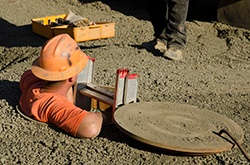
Crawl spaces, sewers, boilers, manholes. Individuals working in confined spaces such as these are exposed to life-threatening physical and atmospheric hazards.
3 min read
Do You Need An Installation Floater?

Materials for a construction project are crucial. Without them, the project will not get done. How can you protect these supplies and avoid substantial financial losses?
There are multiple options for contractors, but the right solution will depend on the project and your role. Most often contractors will turn to builder’s risk policies and installation floaters.
Topics: Commercial Insurance Risk Management Construction Contract Review
3 min read
The Case For Financial Prequalification Of Contractors

The construction industry has done a good job of focusing on safety and quality. This mindset has been driven down to the smallest of contractors. They know safety and quality not only impact what work they can secure and for which owners and contractors they can work, but it also drives the cost of their insurance program. Prequalifying contractors based on their safety experience and program is the norm.
The prequalification process, however, should not be limited to safety. Financial prequalification should receive adequate attention as well.
Topics: Risk Management Construction
2 min read
Why You Should Be Concerned With Certificate Of Insurance Tracking

In the construction industry, it seems you are either asking someone to sign a contract or being asked to sign a contract daily. With so many contracts, and the complexity involved, it can often be difficult to accurately assess your risk exposures. Yet oversights and mistakes in this process can be extremely costly.
Topics: Risk Management Construction Contract Review
3 min read
Scaffold Safety In Construction
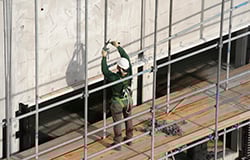
According to OSHA, approximately 2.3 million construction workers frequently work on scaffolds. Scaffold-related accidents cause about 4,500 injuries and 50 deaths every year. They also result in $90 million in lost workdays. Taking steps to ensure compliance with the scaffolding standards could help employers protect workers and prevent significant costs.
Topics: Commercial Insurance Risk Management Construction Workers' Compensation
3 min read
Contractor’s Equipment: Strategies For Managing Risk
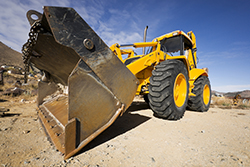
Theft, fire, collision, upset, and overturn all threaten the equipment you depend on to deliver projects on time and within budget. Direct losses from contractor’s equipment are estimated to be over $1 billion annually. Even if just one piece of equipment is damaged or out of service, it can significantly impact your project’s timeline and cause productivity to suffer. What can you do to protect your equipment and control losses?
Topics: Commercial Insurance Risk Management Construction
3 min read
The Essential Elements Of Fall Protection For Construction
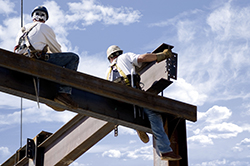
Fall protection for the construction industry has topped the OSHA list of most frequently cited standards year after year. In fact, falls are the leading cause of death in the construction industry with 294 of the 796 fatalities in 2013 being attributed to falls. Yet these fatalities can be prevented. What can you do to protect your employees from fall hazards?
Topics: Commercial Insurance Risk Management Construction Workers' Compensation
4 min read
Combatting the Construction Labor Shortage

The demand for construction is increasing across the nation. This is great news for an industry that was hit hard by the recession. But is there enough labor to meet the needs?
Topics: Risk Management Construction
2 min read
Finding The Right Fit: Personal Protective Equipment for Women
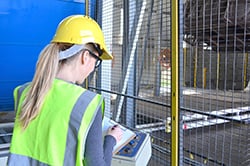
Ill-fitting personal protecetive equipment (PPE) endangers your workers. Are you helping your employees find the right fit?
If PPE does not fit properly, it does not function as it should. It can therefore expose workers to health and safety risks. It can also negatively impact a worker’s ability to efficiently perform their job. If a worker’s gloves are too big they may put them at risk to getting a glove stuck in machinery or perhaps the loss of dexterity will prevent them from doing their job as well. Likewise, if their hard hat is constantly falling off as they look up, that not only endangers the worker’s head but slows them down as they keep putting the hat back on or use one hand to hold it.
Topics: Commercial Insurance Risk Management Construction Claims Workers' Compensation
2 min read
Avoid Surprise Exposures By Making Time For Contract Reviews
You would not sign a contract without reading it first. And this means a lot of reading if you are a contractor. So, how are you managing this review process? Do you understand all the implications a contract could have on the future of your business?
Most companies will say they review all contracts with the help of their attorney. This is the optimal path, but we need to throw a wrinkle in it. When was the last time you involved your insurance broker in that review process?
You trust your insurance broker to review a key contract you utilize every year: your insurance policy. They ensure your company’s risk is properly transferred to the insurance carrier using the most up-to-date coverages, endorsements and enhancements available in the market. But when it comes to reviewing and updating insurance requirements in a contract, the insurance broker is often left out of the picture. Now your attorney is forced to be the legal expert AND the insurance expert.
The modern contract review process involves a meeting between your attorney and insurance broker on an annual basis at a minimum. This collaboration helps ensure you are properly addressing all risks you face before you sign a contract.
Let’s look at some common scenarios in which this updated contract review process could have prevented significant losses.