

Unison Risk Advisors
Recent posts by Unison Risk Advisors
2 min read
Unison Risk Advisors Partners With Axio to Expand Access to Digital Risks Insights

Topics: Employee Benefits Commercial Risk Management Unison Risk Advisors
3 min read
Unison Risk Advisors Announces Partnership with ZeroEyes to Offer AI-Driven Firearm Detection Technology
Topics: Construction Employee Benefits Commercial Risk Management Education & Public Entities Health & Human Services Unison Risk Advisors Senior Living Unison Risk Solutions
2 min read
Turning Your Health Plan Data into Strategy

For years, employers have taken a blanket approach to health coverage—renew each year, review rates, and make incremental adjustments. But in today’s fragmented and fast-changing healthcare environment, that strategy simply isn’t enough.
Topics: Employee Benefits Employee Benefits Practice Unison Risk Advisors
3 min read
Unlawful Data Collection & U.S. Privacy Litigation: Reducing Class Action Exposure

Written by Lacy Rex, AU, Cyber Risk Solutions National Practice Leader
Topics: Employee Benefits Commercial Risk Management Unison Risk Advisors Cyber
4 min read
Pharmacy Benefit Strategy: Reduce Costs with UnivationRx

Pharmacy is one of the biggest drivers of employer healthcare costs today. It is also one of the most complex.
Topics: Employee Benefits Commercial Risk Management Unison Risk Advisors
2 min read
Cyber Insurance Gaps: Why Risk Leaders Need a Broader View

Cyber risk is evolving faster than many organizations are evaluating it, extending far beyond data breaches, privacy events or network downtime. A single cyber event can now interrupt operations, create significant financial loss, affect physical assets, and raise questions about governance and leadership accountability.
Topics: Commercial Risk Management Unison Risk Advisors Cyber
2 min read
Hazard Communication Refresher Training: Reinforcing Chemical Safety and Reducing Risk

Written by Stacey Markel, CHCM, CHSP, HEM
Hazard Communication (HazCom) programs are a core component of workplace safety, but their long-term effectiveness depends on ongoing reinforcement. Refresher training helps employees retain essential knowledge, adapt to operational changes and consistently apply safe practices when working with hazardous chemicals.
Why HazCom Refresher Training Matters
Under OSHA’s Hazard Communication Standard(29 CFR 1910.1200), employers are required to provide training at initial assignment and when new hazards are introduced. As workplace risk continues to evolve, training programs should evolve with it.
Over time, employees may forget procedures, develop shortcuts or become less attentive to hazards. Consistent, practical and workplace-specific training helps reinforce safe behaviors, strengthen safety culture and reduce chemical exposure risk.
Key benefits include:
- Reinforcing core principles such as labeling, Safety Data Sheet (SDS) use and appropriate personal protective equipment (PPE) selection
- Improving hazard recognition, especially when new chemicals or processes are introduced
- Identifying and correcting unsafe behaviors before they lead to incidents
- Supporting loss control efforts by reducing claim frequency and severity
When to Provide HazCom Refresher Training
Organizations that establish a defined refresher schedule are generally more effective in maintaining compliance and managing exposure.
A structured approach may include:
- Annual refresher training for most workplaces
- More frequent training in higher-risk environments, including manufacturing and healthcare
In addition, certain events should prompt immediate refresher training:
- Introduction of new chemicals or operational processes
- Near-miss incidents or emerging claim trends related to chemical exposure
- Updates to Safety Data Sheets (SDS) or labeling requirements
- Audit findings or regulatory inspections that identify gaps
Building More Effective HazCom Refreshers
Effective refresher training focuses on practical application, engagement and relevance to daily operations.
- SDS and Label Review: Reinforce how to locate hazard classifications, first aid measures and PPE requirements
- Real-World Examples: Use internal incidents or industry case studies to highlight potential outcomes and connect training directly to workplace exposures
- Interactive Learning: Incorporate quizzes, group discussions or demonstrations to improve retention and encourage active participation
- Workplace-Specific Content: Focus on actual chemical inventory and processes to ensure training reflects day-to-day operations
Common Gaps in HazCom Programs
Risk assessments often reveal recurring hazard communication challenges:
- Difficulty interpreting Safety Data Sheet (SDS) information
- Inconsistent labeling practices
- Overreliance on one-time onboarding training
- Limited documentation of training completion
Addressing these gaps through structured refresher training helps strengthen compliance and reduce exposure.
Evaluating Your HazCom Approach
As organizations evaluate their Hazard Communication programs, refresher training should align with current operations, exposures and overall risk profile. Our Risk Consulting team can help assess training gaps, identify improvement opportunities and support a more proactive approach to chemical safety.Contact us to learn more.
Topics: Commercial Risk Management Unison Risk Advisors
2 min read
Protecting Your Online Presence: Practical Steps to Reduce Personal Cyber Risk
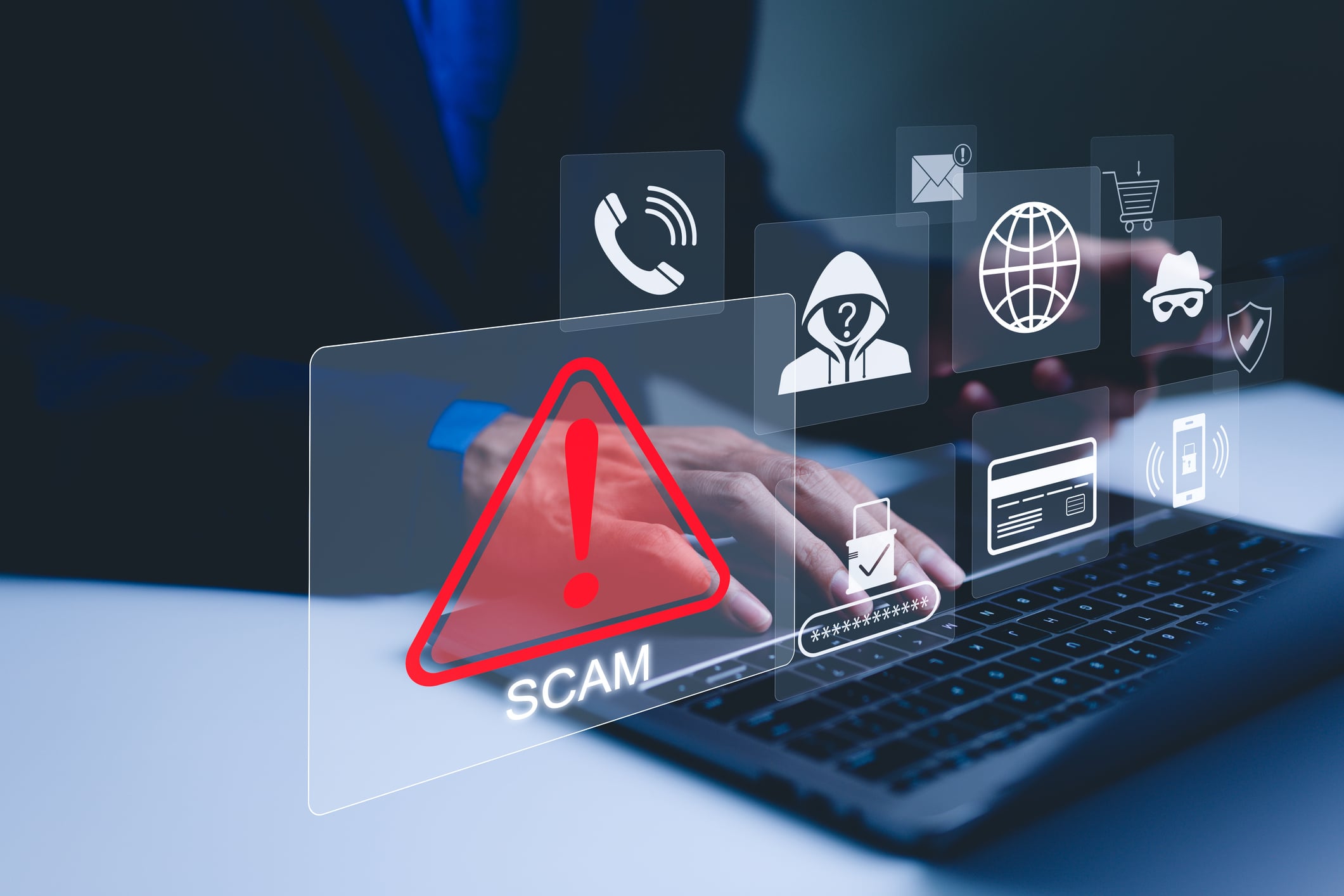
Cyber risk is no longer just a business concern. Individuals and families are frequent targets for account takeovers, identity theft, wire fraud and social engineering scams. We encourage clients to think about personal cybersecurity as part of everyday risk management, not a one-time task.
Start With the Accounts That Matter Most
A few simple habits can go a long way. Using a password manager, turning on multi-factor authentication and adopting passkeys where available can make it harder for criminals to access your accounts. Your primary email account deserves extra attention because it is often the path to password resets and financial activity.
Reduce Exposure Across Identity, Devices and Home Technology
Identity protection matters just as much as login security. Freezing your credit with the three major bureaus can help limit fraudulent account openings. The guide also recommends requesting an IRS Identity Protection PIN, turning on bank and card alerts and considering credit protection for children, whose identities can be misused for years before anyone notices.
Your devices and home network also play a major role in personal cyber risk. Automatic software updates, device encryption, screen locks and find-my-device settings can help reduce exposure if a device is lost, stolen or targeted. At home, changing the router’s default administrator password, using strong Wi-Fi encryption and separating smart devices onto a guest network can help limit avoidable vulnerabilities.
Slow Down Urgent Requests and Build a Response Plan
Many costly cyber incidents start with pressure, not technology. Unexpected requests for money, wiring changes or account credentials should be verified through a known phone number or website, not the contact information included in the message. Families may also want to set a code word for emergencies to help identify impersonation or voice-cloning scams.
Preparation matters after an incident, too. Backups remain important for photos, tax records and other irreplaceable files. If a breach affects you, changing passwords quickly, contacting financial institutions and documenting what happened can make the response more manageable.
A Practical Place to Start
You do not need to do everything at once. Start with your email account, financial logins, credit freezes, device updates and transaction alerts. Those steps can create a stronger foundation and make the rest of the checklist easier to work through over time.
Click here to view the full checklistand download the PDFwith all eight steps and detailed action items.
Even with the right precautions, cyber incidents can happen. Personal cyber insurance can help protect your finances, identity, and peace of mind.
Reach out to your advisor to learn more or review your current coverage or view ourCyber Risk page.
Note: This communication is for informational purposes only, and is not intended to offer legal, tax, or client-specific risk management advice. Information in this communication is not meant to describe specific coverages that may be advisable or available to you or your company, or to interpret specific coverages that may already be in place. General insurance descriptions in this communication do not include complete insurance policy definitions, terms, and/or conditions, and should not be relied on for coverage interpretation. Actual insurance policies must always be consulted for full coverage details and analysis. View our privacy notice.
Topics: Personal Insurance & Risk Management Private Client Group Unison Risk Advisors Cyber
3 min read
Why Overlooked Personal Risks Can Disrupt Long-Term Financial Plans

Market volatility often dominates conversations about wealth. Yet recent financial commentary suggests that everyday personal risk may pose a more immediate and lasting threat. A widely shared analysis highlighted how uninsured or underinsured events, such as liability claims or property losses, can disrupt financial plans far more quickly than market fluctuations.
Topics: Personal Insurance & Risk Management Private Client Group Unison Risk Advisors
4 min read
Creating Inclusive Family Planning Pathways for a Modern Workforce

The workforce is constantly evolving, and so are employees’ needs and expectations, especially when it comes to their benefits. A one-size-fits-all approach is no longer enough. Today’s employees want benefits that make a real difference in their lives.