
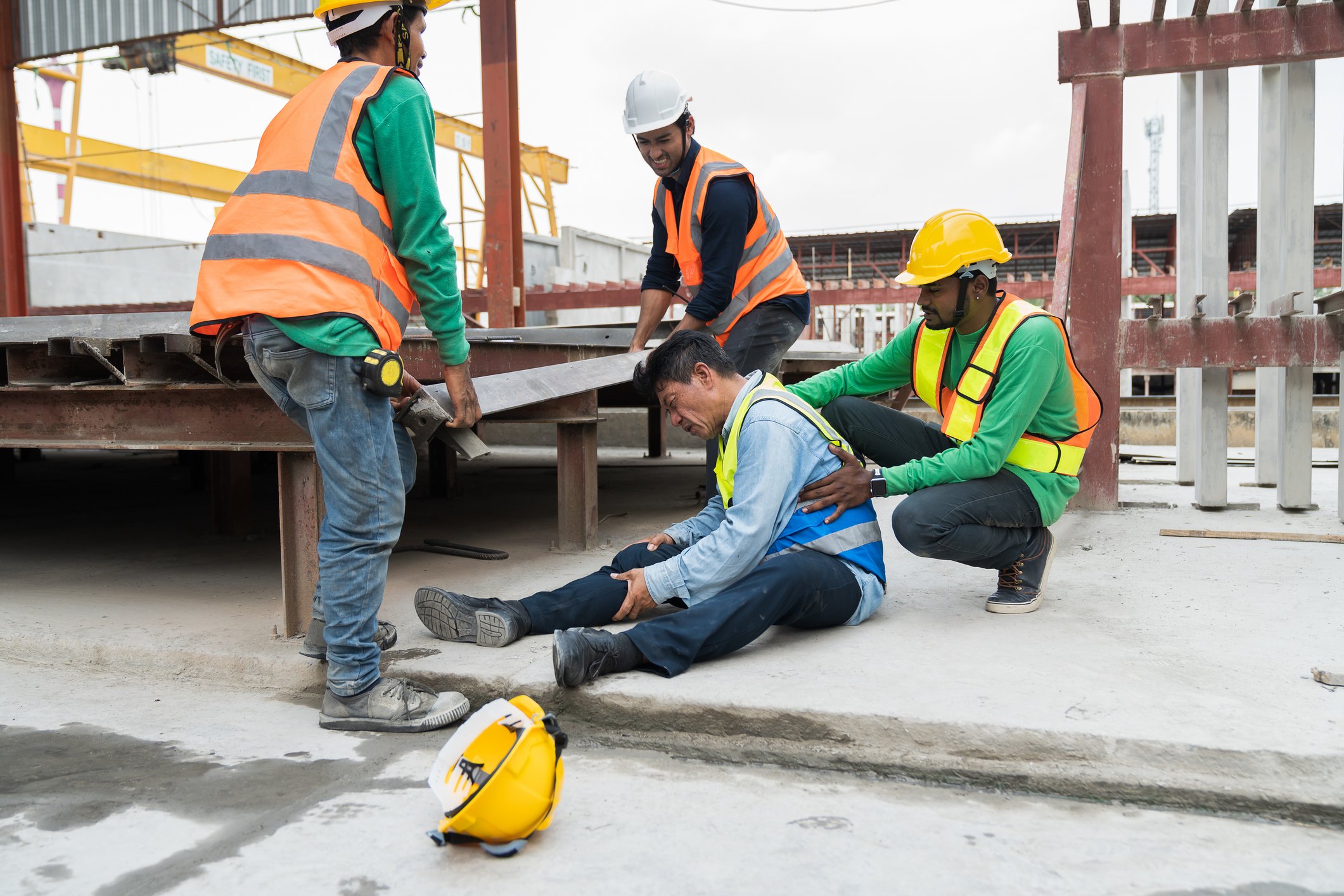
Year-End Safety Program Review: How to Evaluate and Plan for a Safety Workplace in 2026
As the year comes to a close, conducting a year-end safety review is essential for strengthening your workplace safety program, ensuring OSHA compliance and setting clear safety goals for 2026. A thorough review goes beyond meeting regulations and focuses on improving safety culture while reducing risk across your organization.
Why Year-End Safety Reviews Matter
- Preventive Approach: Annual evaluations help reduce injuries by addressing risks before incidents occur.
- Regulatory Compliance: OSHA and industry standards require accurate recordkeeping and proactive planning.
- Cost Savings: Strong safety programs lower workers’ compensation costs and boost productivity.
Step 1: Safety Program Evaluation & Gap Assessment
Start by taking a comprehensive look at your current program:
a. Review Documentation and Compliance
- Audit OSHA logs (300, 300A, 301) for accuracy.
- Verify completion of mandatory training: PPE, hazard communication, lockout/tagout, emergency response.
b. Analyze Incident Data
- Track key safety performance metrics like Total Recordable Incident Rate (TRIR), Lost Time Injury Rate (LTIR) and Days Away, Restricted or Transferred (DART).
- Identify trends by department, shift or process to uncover systemic issues.
c. Conduct Gap Assessments
- Evaluate written safety policies and hazard identification processes.
- Use perception surveys and site observations to uncover hidden risks.
d. Engage Employees
- Collect feedback through surveys or informal discussions.
- Involve safety committees in reviewing findings and setting priorities.
Step 2: Workplace Safety Planning for 2026
Once you know where you stand, you can start building a proactive safety plan for the year ahead:
a. Align with Emerging Trends
- Psychological Safety & Mental Health: Address stress and burnout as part of your safety strategy.
- Technology Integration: Explore AI-driven monitoring, wearables and VR training for hazard prevention.
b. Prepare for Regulatory Changes
- Anticipate OSHA’s upcoming priorities: heat illness prevention, expanded recordkeeping and workplace violence standards.
c. Update Emergency Action Plans
- Refresh evacuation routes, contact lists and severe weather protocols.
- Schedule drills if none were conducted in the past 6 – 12 months.
d. Set SMART Goals
- Set goals that are specific, measurable, achievable, relevant and timely (SMART), meaning they provide actionable steps with clear metrics for success.
- Example: Reduce slip, trip and fall incidents by 20% by Q4 2026 through monthly audits and targeted training.
Step 3: Monitor Safety Performance Metrics
- Leading Indicators: Training completion rates, safety audits and hazard correction timelines.
- Lagging Indicators: Incident rates, severity rates and workers’ compensation costs.
Additional Tips for Success
- Dedicate a quarterly meeting to review progress on safety goals.
- Use tools like safety calendars and dashboards to keep initiatives visible.
- Leverage webinars and training sessions to stay current on industry best practices.