As National Safety Month comes to a close, the final week focuses on one of the most common—and most preventable—workplace risks: slips, trips and falls.
These incidents may seem minor, but the data tells a different story. Falls remain a leading cause of workplace injuries and fatalities, accounting for hundreds of deaths and nearly half a million injuries each year in the U.S. [nsc.org]
The takeaway? This isn’t just a safety issue—it’s a business continuity issue, a culture issue, and a leadership opportunity.
Why Slips, Trips and Falls Still Happen
Most organizations don’t lack safety policies—they struggle with consistency in execution. Slips, trips and falls often stem from everyday conditions:
- Wet or uneven surfaces
- Cluttered walkways
- Poor lighting
- Improper footwear
- Distractions or rushing
These hazards can appear quickly and are often overlooked because they feel routine. But that’s exactly what makes them dangerous. [osha.com]
The Good News: They’re Preventable
The majority of these incidents can be avoided with simple, consistent practices. The National Safety Council emphasizes that awareness, housekeeping, and proactive hazard management are foundational to prevention. [nsc.org] Here’s where organizations should focus:
1. Prioritize Housekeeping
A clean, organized environment reduces risk immediately.
- Keep floors clean and dry
- Address spills quickly
- Remove clutter from walkways and stairwells
Even small obstacles can create serious injuries when overlooked.
2. Maintain Safe Walking Surfaces
Surfaces matter more than you think.
- Repair uneven flooring or loose mats
- Improve traction in high-risk areas
- Ensure adequate lighting throughout the facility
Routine inspections can uncover risks before they become incidents.
3. Reinforce Situational Awareness
Safety is a shared responsibility. Encourage employees to:
- Stay alert to their surroundings
- Slow down in high-risk areas
- Keep hands free for balance when walking or using stairs
Distractions—especially phones—are a growing contributor to avoidable injuries.
4. Equip Employees for Safety
The right equipment reduces risk.
- Provide slip-resistant footwear where appropriate
- Install handrails and grab bars
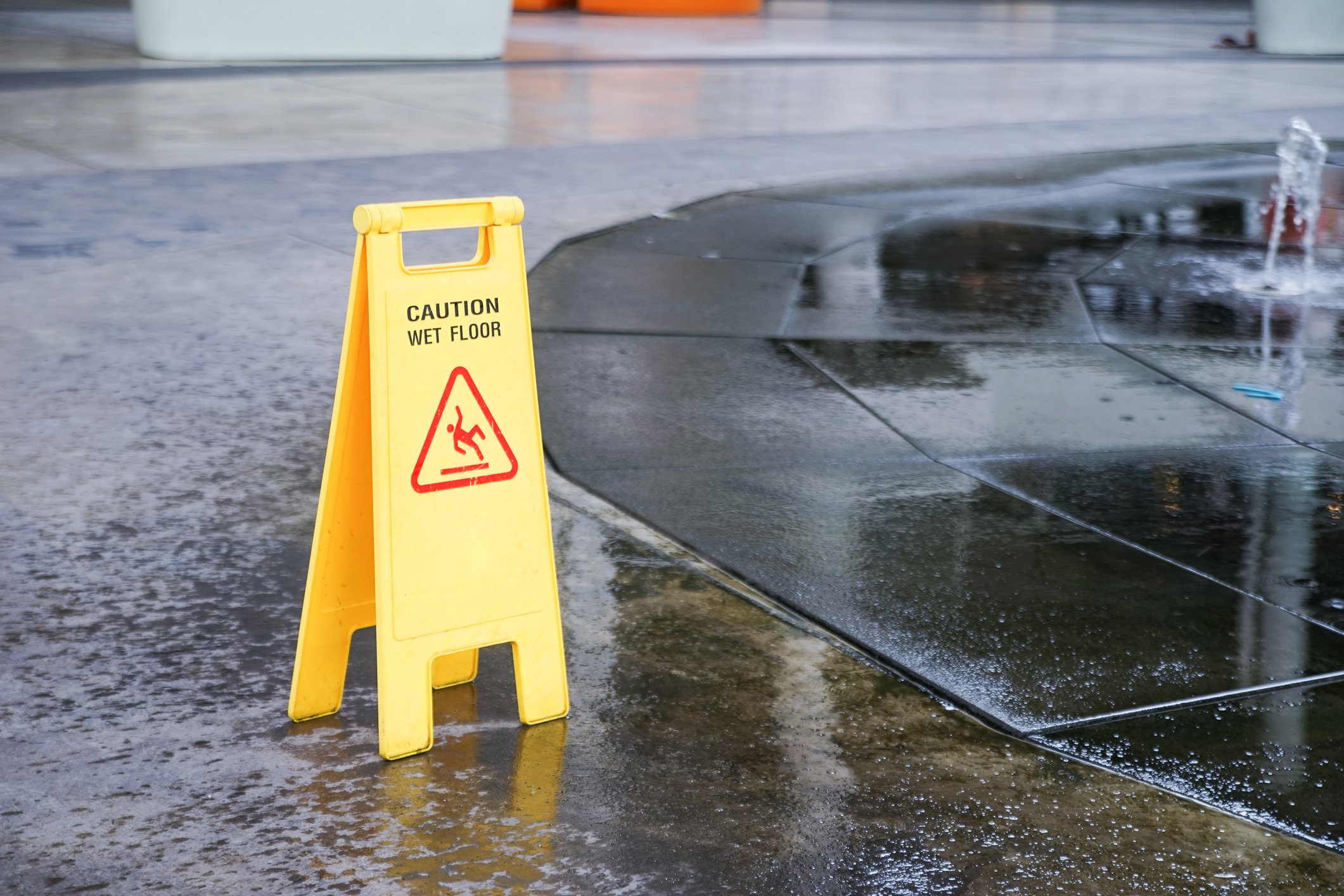
- Use signage in wet or hazardous areas
Small adjustments can create meaningful protection.
5. Build a Culture of Reporting
Near-misses are opportunities—not inconveniences.
- Encourage employees to report hazards immediately
- Act quickly to address issues
- Use trends and data to inform improvements
The organizations that prevent incidents most effectively are the ones that listen early and act fast.
Leadership Matters: From Compliance to Culture
Preventing slips, trips and falls isn’t just about meeting OSHA requirements—it’s about building a culture where safety is embedded into daily behavior.
That starts with leadership:
- Setting expectations
- Modeling safe behavior
- Communicating consistently
- Reinforcing accountability
When safety becomes part of how work gets done—not an add-on—incident rates follow.
A Simple Question to Close Safety Month
As you wrap up National Safety Month, ask your team:
“What’s one hazard we can eliminate today?”
Because the most effective safety programs aren’t built on awareness alone—they’re built on action.
How Gibson Can Help
At Gibson, we partner with organizations to move beyond reactive safety programs and toward proactive risk management strategies. From safety assessments to training and claims trend analysis, our team helps identify risks before they impact your people—or your bottom line.