2 min read

Tips for Creating the Ideal Return to Work Plan

By Gibson on Apr 17, 2013 5:00:00 AM

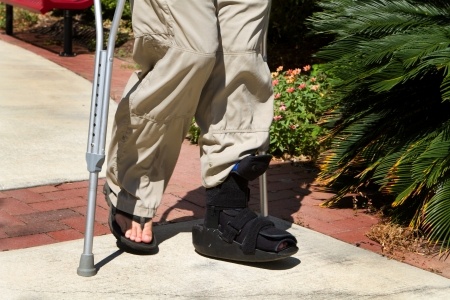
Workplace injuries are a fact of life in some industries. If you work with heavy machinery or spend your day on your feet, you are unlikely to go your entire career without injuring something. Even sitting at a desk typing all day has it’s hazards. Most business owners are very aware of the risks associated with their day-to-day business.

Something that often gets missed is the return to work plan. When people do get injured, inside or outside of work, they will eventually return. As much as you plan to avoid these injuries it’s also important to create a plan to reintegrate injured employees into your workforce.

Develop a Plan

Topics: Commercial Insurance Risk Management Construction Workers' Compensation
2 min read

Risk Assessing Large Infrastructure Construction Projects

By Gibson on Apr 10, 2013 5:00:00 AM

The larger the project, the greater the risk – that much is a given. The importance of risk management, however, remains the same no matter how great or small the project. Although each comes with its own unique risks, large-scale infrastructure construction projects are particularly distinctive.

Public Influence

A large infrastructure project is likely to take place in close proximity to the general public and this poses many risks. In some cases, such as road resurfacing or constructing new sections of highway, construction must be staggered to allow for continued public use of the area.

As well as working in close proximity to the public, the risks extend to what happens when you are not working. If your site is in a public area, or easily accessible by public roads, extra security measures may need to be employed to protect the site between shifts. Public liability on large infrastructure construction projects is vitally important.

Topics: Risk Management Construction
2 min read

Product Defects Highlight the Benefits of Construction Risk Management

By Gibson on Feb 27, 2013 6:00:00 AM

There’s a simple rule in safety procedure that sticks in most people’s minds. Before you use any piece of equipment, you check it to make sure everything is working correctly. Then, when you’re done, you check it again. Once you’ve done that and you’re ready to move on to another risk management step, you check it again.

This may sound like overkill but it is necessary, especially when that equipment is designed to save your life. In construction risk management, you can never be too careful. The risks are too great to leave anything to chance.

Falltech & Construction Risk Management

Topics: Risk Management Construction